
How to Choose the Right Elevator for Your Building
Selecting the right elevator is an important decision for any residential, commercial, hospital, or industrial building. A well-planned elevator improves convenience, accessibility, safety, and property value while ensuring reliable performance for years. Whether you’re constructing a new building or upgrading an existing one, understanding your requirements will help you choose the best elevator solution.
1. Identify Your Building Type
The first step is understanding the purpose of the elevator. Residential buildings generally require home lifts or passenger elevators, while commercial buildings need high-speed passenger elevators. Hospitals require bed lifts, shopping malls benefit from panoramic elevators, and warehouses often need heavy-duty goods lifts. Choosing the right type depends on your building’s daily usage and traffic.
2. Calculate Passenger Capacity
Passenger capacity plays a vital role in elevator performance. Elevators are available in various capacities such as 4, 6, 8, 10, 13, 15, and 20 passengers. Buildings with high footfall should opt for larger capacity elevators to reduce waiting time and improve efficiency.
3. Choose the Right Elevator Type
There are different types of elevators designed for specific applications. Passenger lifts are ideal for apartments and offices, MRL (Machine Room-Less) lifts save valuable space, hydraulic lifts work well for low-rise buildings, home elevators provide comfort for villas, hospital lifts accommodate stretchers and wheelchairs, and goods lifts handle heavy materials in industrial environments.
4. Consider Building Height
The height of your building directly affects the type of elevator required. Low-rise buildings generally use hydraulic or MRL elevators, while medium and high-rise buildings benefit from high-speed traction elevators that deliver faster travel and better efficiency.
5. Prioritize Safety Features
Safety should always be a top priority when selecting an elevator. Modern elevators include automatic rescue devices, emergency alarms, overload protection, infrared door sensors, emergency lighting, fire emergency operation, battery backup, and secure door locking systems to ensure passenger safety.
6. Choose Energy-Efficient Technology
Energy-efficient elevators help reduce electricity consumption and operating costs. Features such as gearless motors, regenerative drives, LED cabin lighting, automatic sleep mode, and intelligent controllers provide excellent performance while lowering energy usage.
7. Select Attractive Cabin Interiors
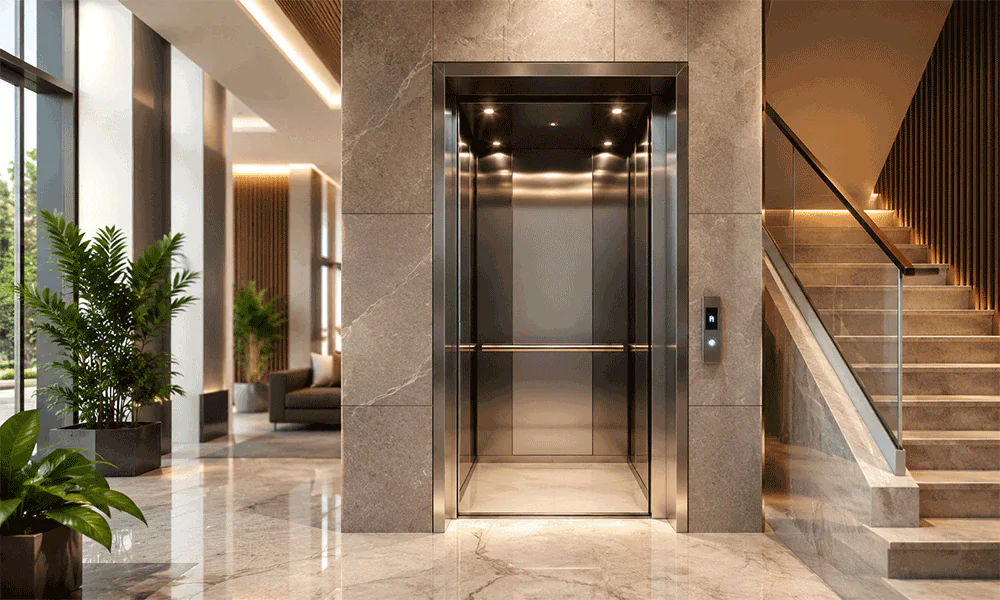
Elevator interiors contribute to the overall appearance of a building. Popular options include stainless steel cabins, mirror finishes, glass panels, premium flooring, designer ceilings, LED lighting, and modern touch control panels that create an elegant and professional look.
8. Check Maintenance Support
Reliable maintenance is essential for long-term elevator performance. Before purchasing, ensure the company offers Annual Maintenance Contracts (AMC), genuine spare parts, preventive maintenance, emergency breakdown support, and quick service response whenever required.
9. Plan Your Budget
Your elevator investment includes equipment, installation, electrical work, civil modifications, maintenance, and future upgrades. Choosing a quality elevator from a trusted manufacturer often results in lower lifetime operating costs and greater reliability.
10. Choose an Experienced Elevator Company
Select an elevator company with proven experience, certified products, skilled technicians, customized solutions, professional installation, and dependable after-sales support. A trusted company ensures your elevator remains safe, efficient, and reliable for many years.
Conclusion
Choosing the right elevator involves evaluating your building type, passenger capacity, available space, safety requirements, energy efficiency, maintenance support, and budget. A well-selected elevator improves accessibility, enhances property value, and delivers reliable performance for years. Whether you need a passenger lift, home elevator, MRL lift, hydraulic lift, hospital lift, or goods lift, investing in the right solution ensures long-term comfort, convenience, and safety.