
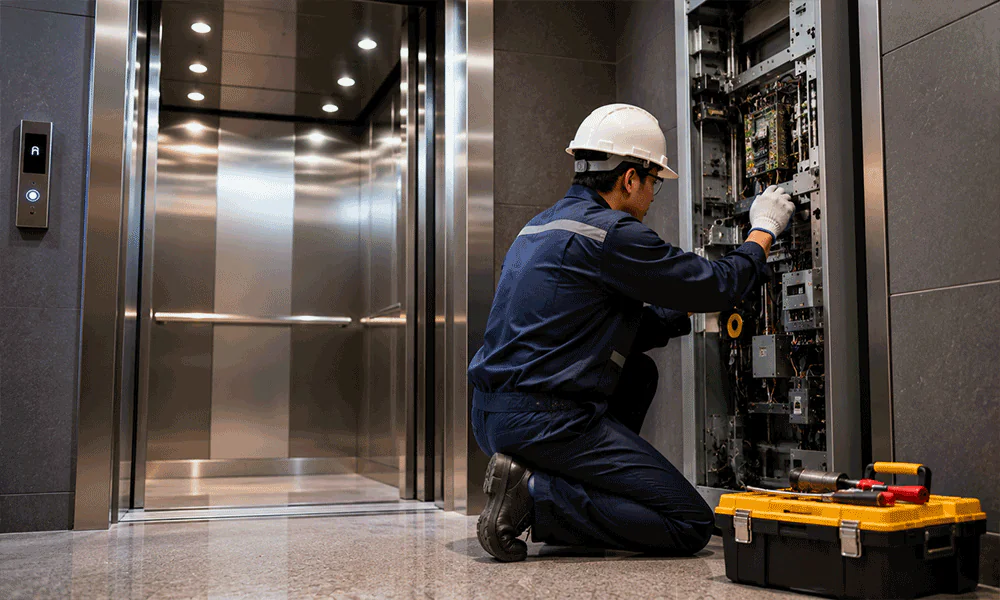
Elevator Safety Tips Every Building Owner Should Know
Elevators are an essential part of modern buildings, providing safe and convenient transportation every day. However, proper maintenance and safety practices are crucial to ensure reliable performance and protect passengers. Whether you own a residential apartment, commercial complex, hospital, or industrial facility, following elevator safety guidelines helps reduce downtime and prevents costly repairs.
1. Schedule Regular Preventive Maintenance
Routine maintenance is the most effective way to keep an elevator operating safely. Regular inspections help identify worn components, electrical issues, and mechanical problems before they become serious. Following a preventive maintenance schedule reduces unexpected breakdowns and increases the lifespan of your elevator.
2. Never Ignore Warning Signs
Unusual noises, jerky movement, delayed door operation, or frequent service interruptions are early signs of potential problems. Addressing these issues immediately prevents further damage and ensures passenger safety.
3. Perform Routine Safety Inspections
Periodic inspections should include checking door sensors, emergency alarms, control panels, brakes, cables, lighting, ventilation, and emergency communication systems. Keeping these components in excellent condition improves overall elevator safety.
4. Avoid Overloading the Elevator
Every elevator has a maximum weight capacity. Overloading places unnecessary stress on the motor, cables, and control system, leading to increased wear and potential failures. Always follow the recommended passenger and weight limits.
5. Keep the Elevator Clean
Dust, moisture, and debris can affect elevator performance over time. Regular cleaning of the cabin, doors, machine room, and control panels helps maintain efficient operation and creates a better experience for passengers.
6. Test Emergency Systems Regularly
Emergency alarms, battery backup, Automatic Rescue Devices (ARD), intercom systems, and emergency lighting should be tested periodically. These systems play a critical role during power failures and emergency situations.
7. Train Building Staff
Building managers and maintenance personnel should understand basic elevator safety procedures. They should know how to respond during emergencies, report technical issues, and coordinate with elevator service professionals.
8. Install Modern Safety Features
Modern elevators include advanced safety technologies such as infrared door sensors, overload protection, emergency braking systems, automatic leveling, fire emergency operation, and intelligent monitoring systems that improve passenger safety.
9. Display Safety Instructions
Clear safety instructions inside and outside the elevator help passengers use the lift responsibly. Display information about emergency contacts, weight limits, and proper elevator usage to reduce accidents.
10. Partner with a Professional Elevator Maintenance Company
Working with an experienced elevator service provider ensures timely inspections, genuine spare parts, skilled technicians, and quick emergency support. Professional maintenance keeps your elevator compliant with safety standards and operating efficiently.
Conclusion
Elevator safety depends on regular maintenance, timely inspections, responsible usage, and modern safety systems. By following these best practices, building owners can improve passenger safety, reduce maintenance costs, minimize downtime, and ensure reliable elevator performance for many years.